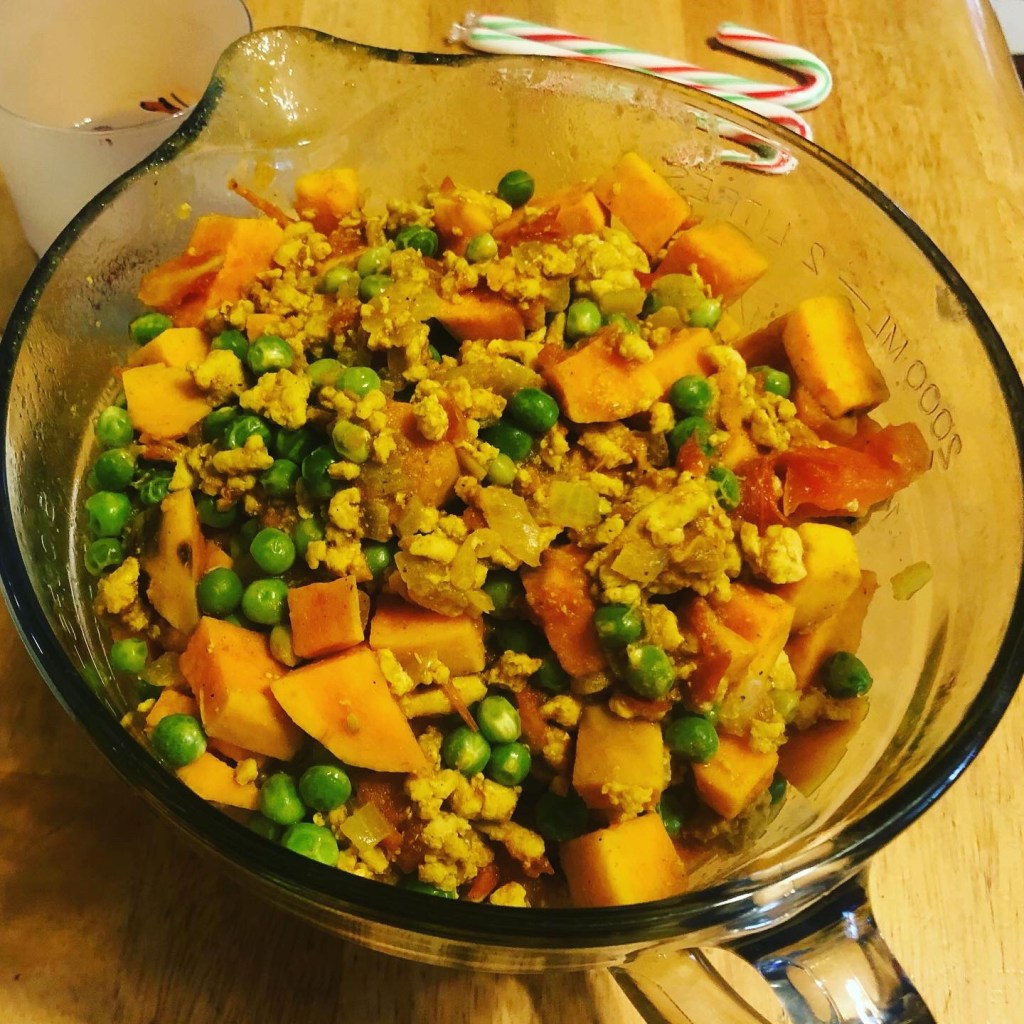
1 hour total prep and cook time
Maybe $50 for everything
You can eat on a budget
10 meals for the entire week


Love opens doors.
1 hour total prep and cook time
Maybe $50 for everything
You can eat on a budget
10 meals for the entire week
I see a lot of clients in my practice as an outpatient mental health therapist. My primary speciality and something that I have done for the majority of my career as a therapist and a minister was working with kids and teenagers. I am well versed in childhood development.
The Corona virus or SARS COV 2 has taken over our lives in 2020 and has moved my face to face practice to online. This has gotten me thinking a lot about my adolescent clients and their development.
Developmentally, kids (ages 0-8 or 9 ish) have a window and are very reliant on the adults in their lives to create and shape a meaningful existence. Pre teens, tweens and teenagers if they have secured a strong sense of self tend to be more independent and need a lot freedom to cultivate and grow their sense of self. If the parental unit has done it’s job efficiently and effectively, I tell parents that our role as parents during the adolescent years is to provide a space similar to the home base in freeze tag, nobody can touch us and we are safe.
Traumatic events can make a mess of childhood development leading to life long complications with social and vocational development. The now famous Adverse Childhood Events study conducted by Kaiser Permanente has also linked physical health related issues to traumatic events in a person’s life span. Events that are obvious traumas such as war, car accidents and domestic violence often come to people’s minds when thinking about trauma. Lesser thought of are parents with mental health concerns, childhood hospitalizations and in the case of 2020, the Corona 19 Pandemic. This year is going to have a huge impact on our children’s long term mental and physical health.
There is a dearth of research right now due to the fast past Corona is moving. It is understood that research is going on, but this takes time, especially when thinking about longitudinal studies, which can take some time to gather and aggregate data.
Following is a brief synopsis of 3 articles that I was able to gather data from.
Kluger, J. (2020). The Coronavirus Seems to Spare Most Kids From Illness, but Its Effect on Their Mental Health Is Deepening. Time.Com, N.PAG.
Kluger points out early on this paper how COVID -19 has been tough on kids minds and overall mental health. Drawing on my point earlier about parents helping children create a sense of self and a sense of safety, Kluger points out how the insecurities of this world and lack of control are taking a toll on children.
Kluger offers this sobering statistic drawn from Journal of the American Medical Association (JAMA) Pediatrics, “out of China, published in JAMA Pediatrics, researchers in Hubei province, where the pandemic originated, examined a sample group of 2,330 schoolchildren for signs of emotional distress. The kids had been locked down for what, to quarantine-weary Americans, likely seems like a relatively short period–an average of 33.7 days. Even after that single month, 22.6% of them reported depressive symptoms and 18.9% were experiencing anxiety“(Kluger 2020). I would concur with this observation and note that we are seeing similar trends in our office.
Kumar, M., Karpaga Priya, P., Panigrahi, S., Raj, U., & Pathak, V. (2020). Impact of COVID-19 pandemic on adolescent health in India. Journal of Family Medicine & Primary Care, 9(11), 5484–5489. https://doi.org/10.4103/jfmpc.jfmpc_1266_20
This article looks at adolescent health in India. Kumar et al. offer that teenagers ” represent the potential influencers of future economic growth and development and this period between 10 to 19 years of life is the ground for investment and provides a window of opportunity for laying a strong foundation to a brighter and healthier future.Most of the adolescents do not face any health issue, but there are still problems of early death, disease, and trauma among them. It becomes a hindrance to utilize their full potential“(Kumar et al. 2020). This thinking is in line with the research and findings of the ACE study.
Kumar really highlights a concern that I have had for our teenagers and that is the role of social isolation. In this study, it is posited that because of COVID -19 could increase the risk of “school dropouts, gender gaps in education, stress and mental health disorders, smartphone dependence or addiction; Early age of initiating smoking, alcohol, or drugs; Interrupted learning depriving opportunities for growth and development; Parents unprepared for distance and homeschooling, particularly those in lower socioeconomic status and illiterate parents; Poor menstrual hygiene; Increase in child labor; Early and forced marriage; Early pregnancy (teenage pregnancy); Nutritional problems (due to stoppage of weekly IFA Supplementation [WIFS] and mid-day meal scheme/program);Increase in exposure to violence, exploitation (including sexual), abuse/maltreatment, and neglect“(Kumar et al. 2020). Many of these points can be seen in the findings of ACES study.
SUBRAMANIAN, S. (2020). Remapping childhood. Maclean’s, 133(6), 57–63.
This article points out a great point early on, “Children adapt quickly”. Again, it is pointed out that this pandemic will have long term impacts on our children. There is a lot of “normalizing” discussion about what a kid should be experiencing and what a kid is experiencing during the COVID 19 pandemic and how these children are adapting. There are snippets or case studies of several children going through the pandemic. It is pointed out towards the middle of article that while the long term effects are concerning, there are trends that show various signs of resiliency.
So to wrap it up, the big question is this, how do we as parents parent in this time of the pandemic? I’ll keep it simple. Love your kids and spend more time with them. Loving your kids though sometimes means loving yourself. If you are dealing with stress, depression, anxiety, see a therapist and get evaluated for taking medicine. If you come to my practice, I am going to refer you to a dietician. If your marriage is struggling, see a marriage and family therapist and get this sorted out.
Your kids are struggling, their life is upside down. If your teenager is moody, give them space, they need it anyway and being home with you all the time is not helping them with their independence. It is not your children’s job to love you, it your job to love your children.
References:
Kluger, J. (2020). The Coronavirus Seems to Spare Most Kids From Illness, but Its Effect on Their Mental Health Is Deepening. Time.Com, N.PAG.
Kumar, M., Karpaga Priya, P., Panigrahi, S., Raj, U., & Pathak, V. (2020). Impact of COVID-19 pandemic on adolescent health in India. Journal of Family Medicine & Primary Care, 9(11), 5484–5489. https://doi.org/10.4103/jfmpc.jfmpc_1266_20
SUBRAMANIAN, S. (2020). Remapping childhood. Maclean’s, 133(6), 57–63.
It definitely is not mile 1 or even mile 5 for that matter. Maybe it is mile 16 or maybe it is mile 23, but whatever mile it is, it is not the first. And my legs hurt, my feet hurt, I haven’t eaten a full meal in 3-4 hours, in fact I can’t eat anything right now because it immediately makes me want to go find a tree. I find myself questioning why I signed up for this race. It’s hot out here, I hope the Aid Station has Mountain Dew, and that cheeseburger at the end sounds nice.
Everything is frustrating. The traffic, slow drivers, don’t they know I have somewhere to be?
COVID has messed up everything, our life, our mental health, our rituals, our norms.
Breath. I truly believe that the Lord will make it okay, maybe not the okay you are looking for though. By the way, what did Jesus mean by that whole “do not worry” thing?
I want to introduce you into the concept of equanimity. Essentially it is maintaining a sense of being chill when bad stuff is happening.
I have been thinking a lot about the concept of equanimity the last few months as our world has continued to devolve into some chaos.
What is equanimity? Equanimity is a manifestation of resting in God’s grace and trusting in His plan. Humbled is another word that could be used to describe the state of equanimity. Christian equanimity is a matter of recognizing that our thoughts and ideas can only go so far compared to God’s. Additionally, when we truly accept that we “can do all things through God who strengthens us” It is to be noted that this is often a misused and misquoted verse from Paul. Paul did not mean we can do anything, he is talking about contentment, that we have equanimity in our strife, as Paul was writing from prison.
I would point us Thomas Merton. Merton’s famous Fourth and Walnut quote adequately captures a sense of non duality and lovingkindness, compassion and empathetic joy: ““In Louisville, at the corner of Fourth and Walnut, in the center of the shopping district, I was suddenly overwhelmed with the realization that I loved all those people, that they were mine and I theirs, that we could not be alien to one another even though we were total strangers. It was like waking from a dream of separateness, of spurious self-isolation in a special world, the world of renunciation and supposed holiness… This sense of liberation from an illusory difference was such a relief and such a joy to me that I almost laughed out loud… I have the immense joy of being man, a member of a race in which God Himself became incarnate. As if the sorrows and stupidities of the human condition could overwhelm me, now I realize what we all are. And if only everybody could realize this! But it cannot be explained. There is no way of telling people that they are all walking around shining like the sun.” – from Merton’s work, Conjectures of a Guilty Bystander.
With equanimity, we need to think though less of doing and more as being, and considering this, I am reminded of Chapter 7 in the Rule of Saint Benedict where it talks about humility. To be truly humble, we need to let go of ego; I would argue that ego is the opposite of equanimity. With an equanimous posture, one does not assume any should’s. In the presence of the Divine, as all of creation is, we cannot fully embrace the beauty of the moment if we are too busy focusing on what we need to do. This has always been my problem with Christian mission work where we go and do something for somebody. From the work as a servant minister, it has always been my posture to just “be” in the presence I serve with no really attachment to what I am doing.
God IS in control, but not in the weird bully way. Equanimity then is resting not in a God who is going to make it all better, but resing in with a God who co suffers with us and helps us ease into allowing what happens to happen. God does not really do anything except project universal love to all of creation. It is this love, this grace filled unwarranted belonging between us and God that allows us to rest assured that no matter what happens, it is going to be okay, maybe not the okay we wanted, but okay none- the – less. This nothingness of God occurs because humanity creates the existence of God whereas God insists on existing. God is a transrational reality that defies our subjective observations of God(all the God is like allusions). Caputo offers that “God is God and people are people”. I posit then that because God “is” and this “isness” is the creative force behind creation, the equanimous posture is for us as human to just be. In the spirit of serving as Christ served, sometimes we just need to be quiet, sit down and just be. As a therapist, I understand this way more than most. As I tell my clients, I am not doing anything as your therapist, I am just being and allowing what happens to happen in this session.
So then, as you plan the closing of your year, as you plan your final sermons, your final goodbyes to 2020. Grieve the loss of opportunities, even be mad about the missed opportunities, but in humility and compassion, bow to them, greet them at your door, welcome them to your home. We are all in this for the long haul. Cultivate a sense of acceptance and turn instead to cultivating love and peace for that which we can control. Just be and allow the “isness” of God to arise in the midst of struggle.
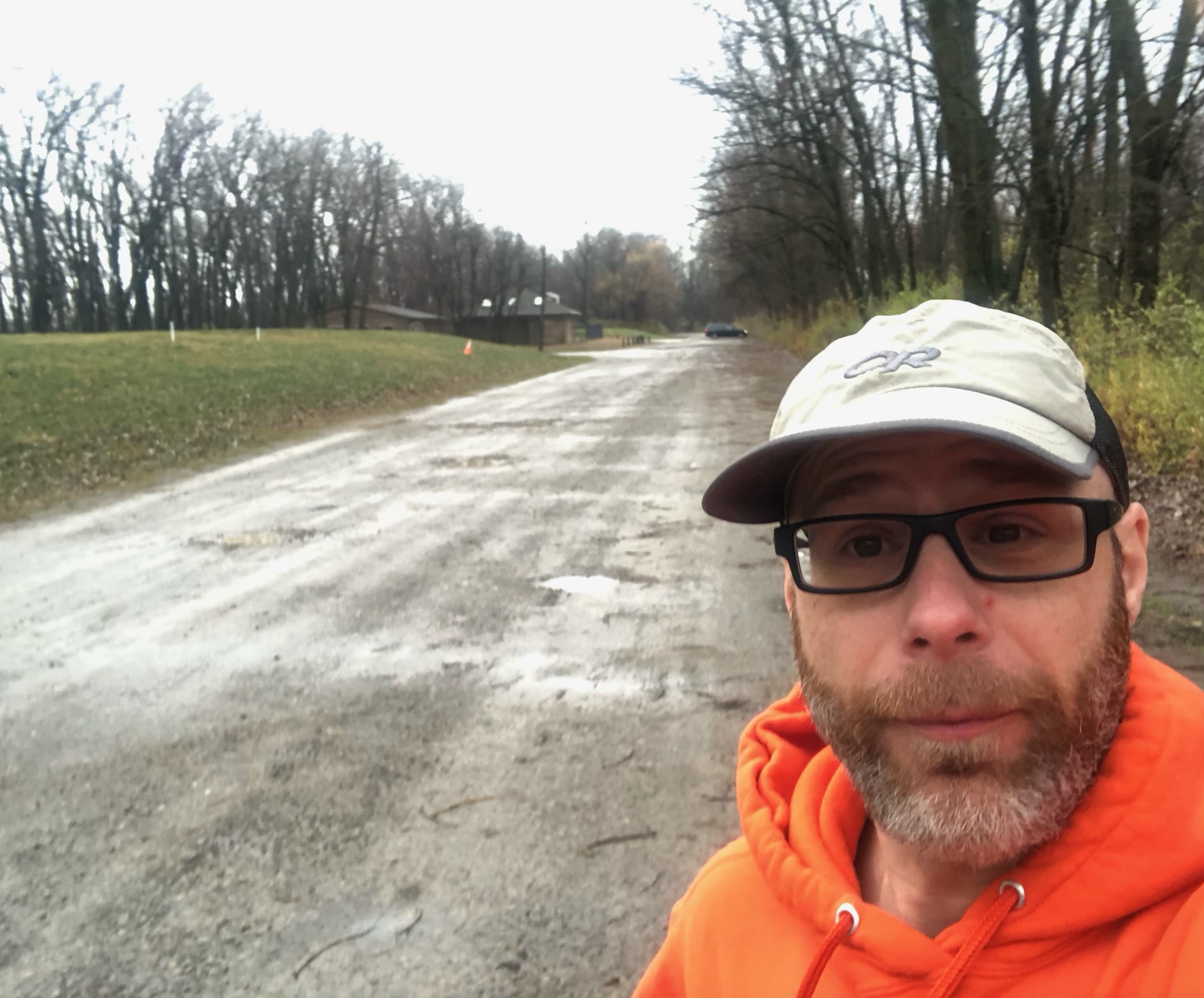
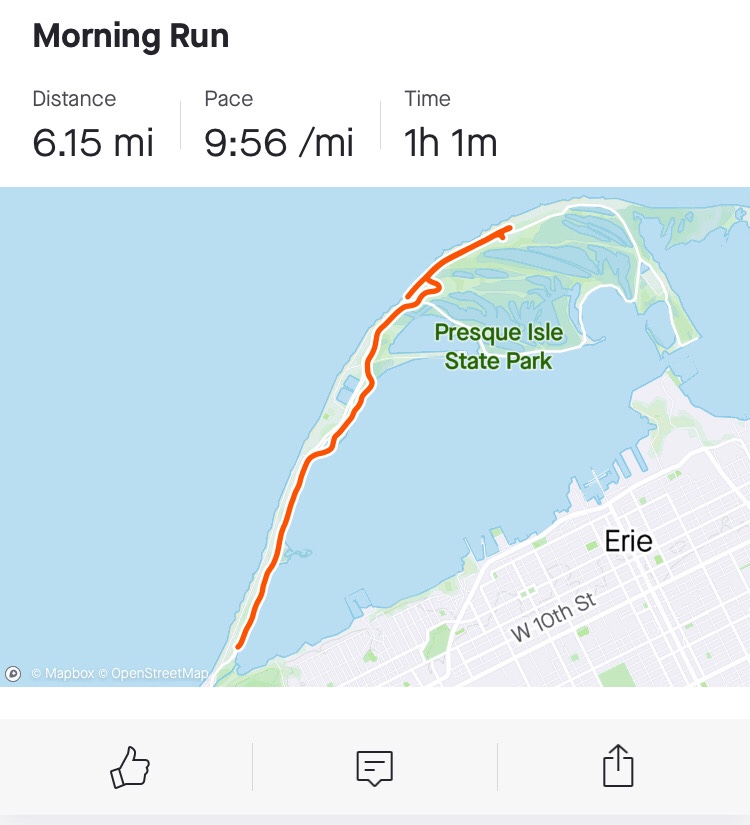
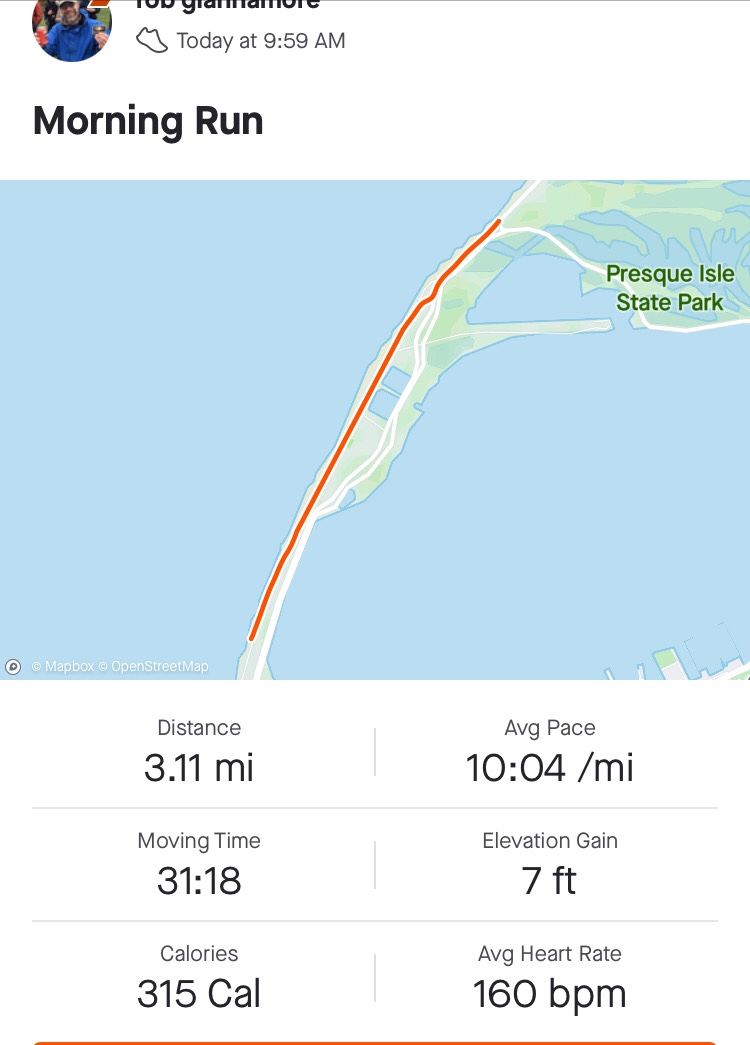
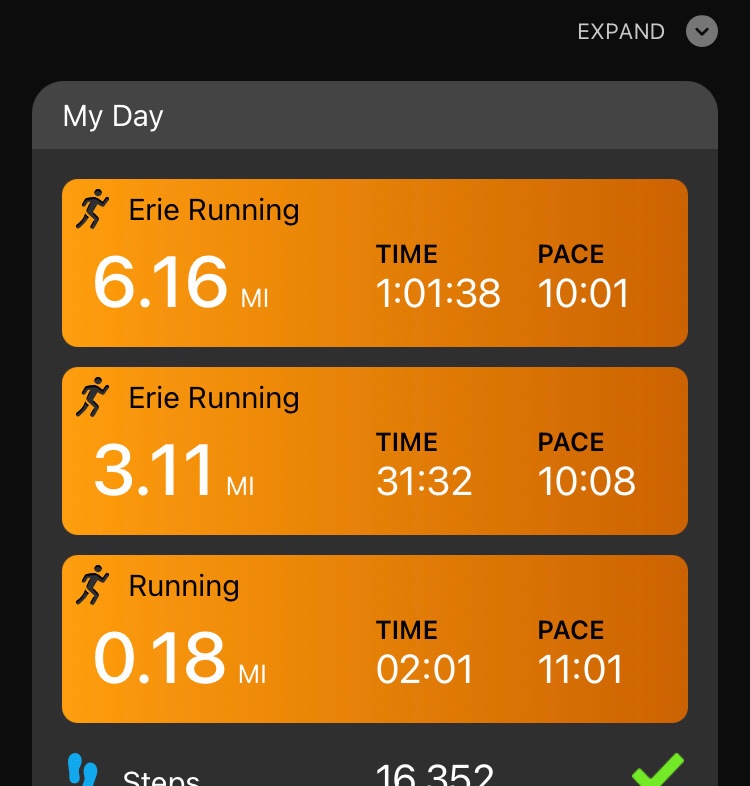
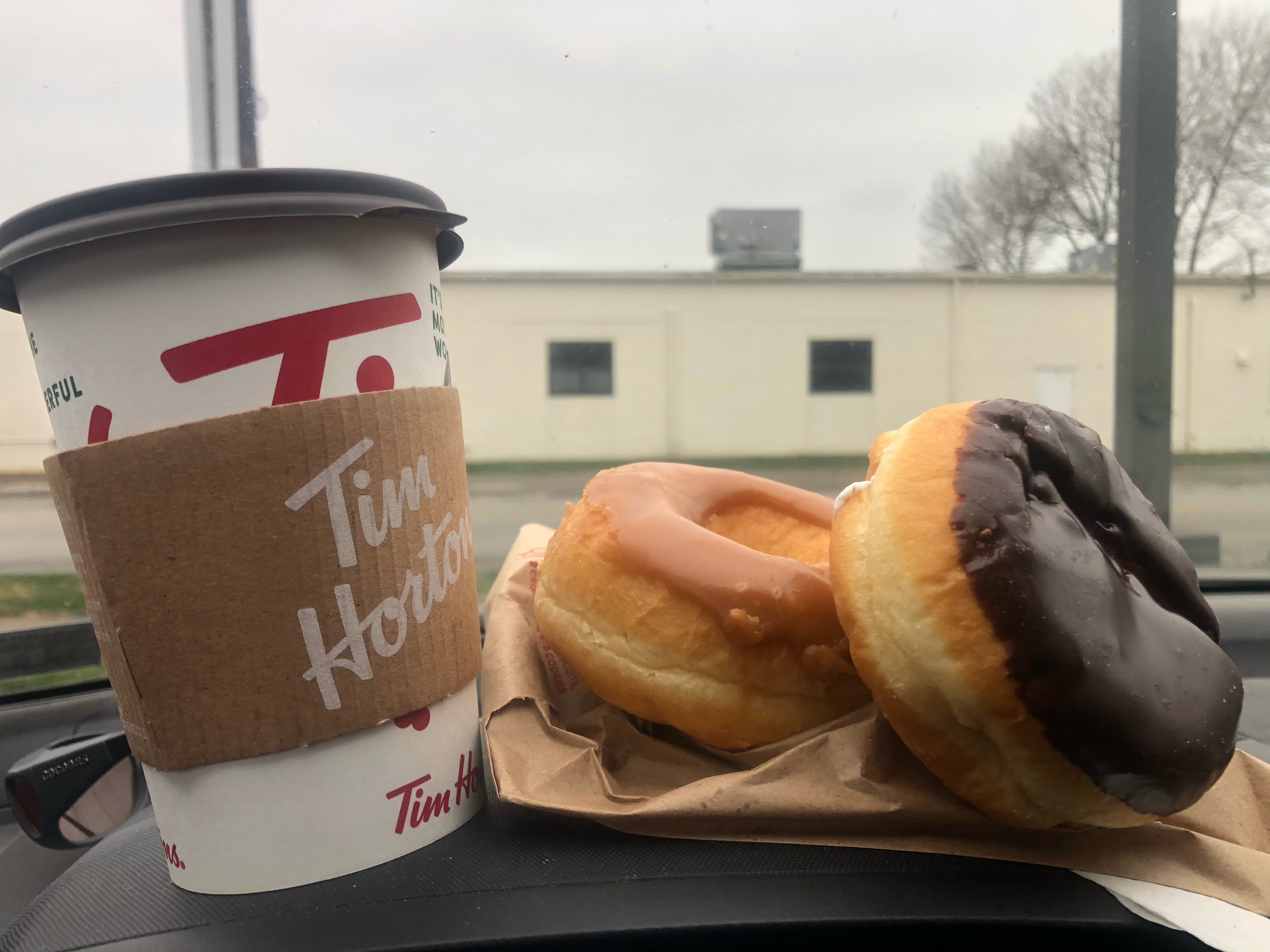
Well, it was not what we hoped for and the year has been a hassle, but to support our local running club, I did the virtual Turkey Trot. It was desolate this morning and there was not the usual Thanksgiving energy with 4000 or so people missing. Here is hoping for a live race in 2021.
When I meet a client for the first time, I am curious about the presenting problem, but from a “why” perspective. Our society is obsessed with labels and many of my clients want to know what is wrong with them and how I can fix it. Depression, Anxiety, Attention Deficit Hyper Activity Disorder (ADHD/ ADD) all have a function behind it. In some cases, the presentation of these problems are environmental, genetic or even family culture/ developmental. In this post, I will be looking at a common thread among the three, a deficiency of serotonin.
What is serotonin? Serotonin is a neurotransmitter responsible for regulating mood and can affect your sleep cycle, appetite and digestion. 95 percent of our serotonin is produced in our gastrointestinal (GI) tracts. The remaining percentage of serotonin is found in our brain stem. A deficiency occurs when your body does not have enough serotonin activity. It is not fully understood what serotonin’s role is in the symptomatology of physical and psychological symptoms associated with a deficiency. This becomes a major point that I share with my clients and one you have to understand when you go to your doctor and say you are depressed and you want a medication to not be depressed, it sometimes is not that easy. This is clearly observed when a client after seeing their doctor and getting a medication prescribed and taking it for x amount of time reports little to no change or on the other hand tells me that “medications don’t work”.
In the realm of mental health that I practice in, I embrace a concept known in medicine as integrative medicine. Here, rather than just treating the symptom, clinicians, doctors and practitioners address underlying causes of a problem. This means not only seeing your doctor, but also a therapist, a nutritionist, personal trainer, chiropractor, physical therapist or even a yoga instructor, reiki practitioner or massage therapist to address the whole mind and body connection.
Back to the idea of serotonin deficiency, here is a list of the most common experiences people have when this is a concern:
I am a huge fan of eating for positive health and in a previous post, I talked about eating to address health. To close this post, I want to offer some suggestions you can take to make non medication changes to address serotonin deficiency.
Tryptophan (that stuff that makes you sleepy after eating a turkey dinner) and HTTP -5 are the precursors that create serotonin. Tryptophan converts to 5 HTTP which converts to serotonin. Food sources that promote some of this production include eggs, cheeses, pineapples, salmon, dark leafy greens (like spinach) nuts and seeds and of course turkey. Eating real, whole foods and staying away from ultra processed foods devoid of any real nutrition will encourage serotonin growth. Whole grains like whole wheat, whole grain oats and brown rice are excellent carbohydrates that aid in production. Exercising regularly, 40-45 minutes a day of walking can do the trick. 75 minutes of intense exercise two times a week can be very beneficial.
As with any lifestyle change, please see your doctor and contract with a registered dietician who can walk you safely through a dietary protocol that will help you meet all your nutritional needs. For an extra layer of benefit, working with a personal trainer who can help you get your body moving in healthy, natural ways will allow you to address your serotonin deficiency from a wholistic perspective. Understand though, if the deficiency is severe enough, medications may be needed to bring serotonin levels up to a place where these natural approaches have efficacy.
 Shalem Consulting