52 Weeks of Healthy Eating: A Collective Approach to Awakening our Health

March! – I heard red wing black birds the other day on my bike ride. In the North East, the earliest signs of spring are the red wing black birds. Other signs are daffodil and crocus shoots. In April or May, we will begin to hear the spring peepers, a tree frog variety found here in the Eastern US and Canada.

  • Spring is a time of renewal, re – growth, it is a time to re claim our health after a long cold winter indoors.
  • Begin to think of physical movment as a spiritual practice – I am inspired by Jesus’s walkabout, and the Tendai Monks https://en.wikipedia.org/wiki/Kaih%C5%8Dgy%C5%8D. The last few weeks, I have have noticed changes in the birds, they are singing different, the sun is sitting differently in the sky and the air is beginning to feel differnt. Walking mindfully allows you to notice all these changes.
  • Healthy eating as a spiritual practice – gone are the casseroles and the soups “Let food be thy medicine”. We have a few more months of cold and it will be a while till we get fresh greens. If you have fallen off your dietary goals, now is a time to recommit. Are the foods that you are turning to giving you life?
  • Begin moving with the vibrations of the renewing season – making new or recommitting to old healthy habits (This in line with the planting of new flowers/ food stuffs/ herbs and the re emergence of perrenial or bi annual plants

This week’s meals are fairly simple:

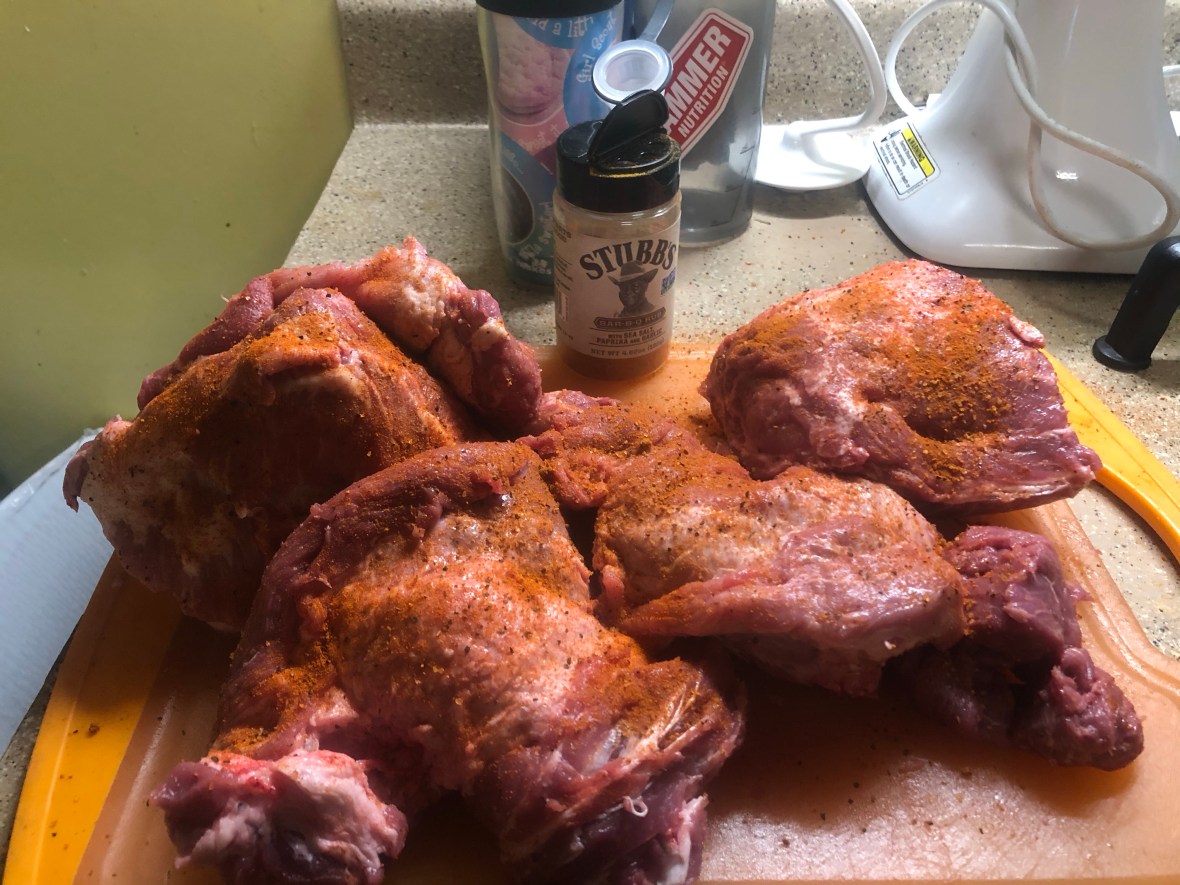
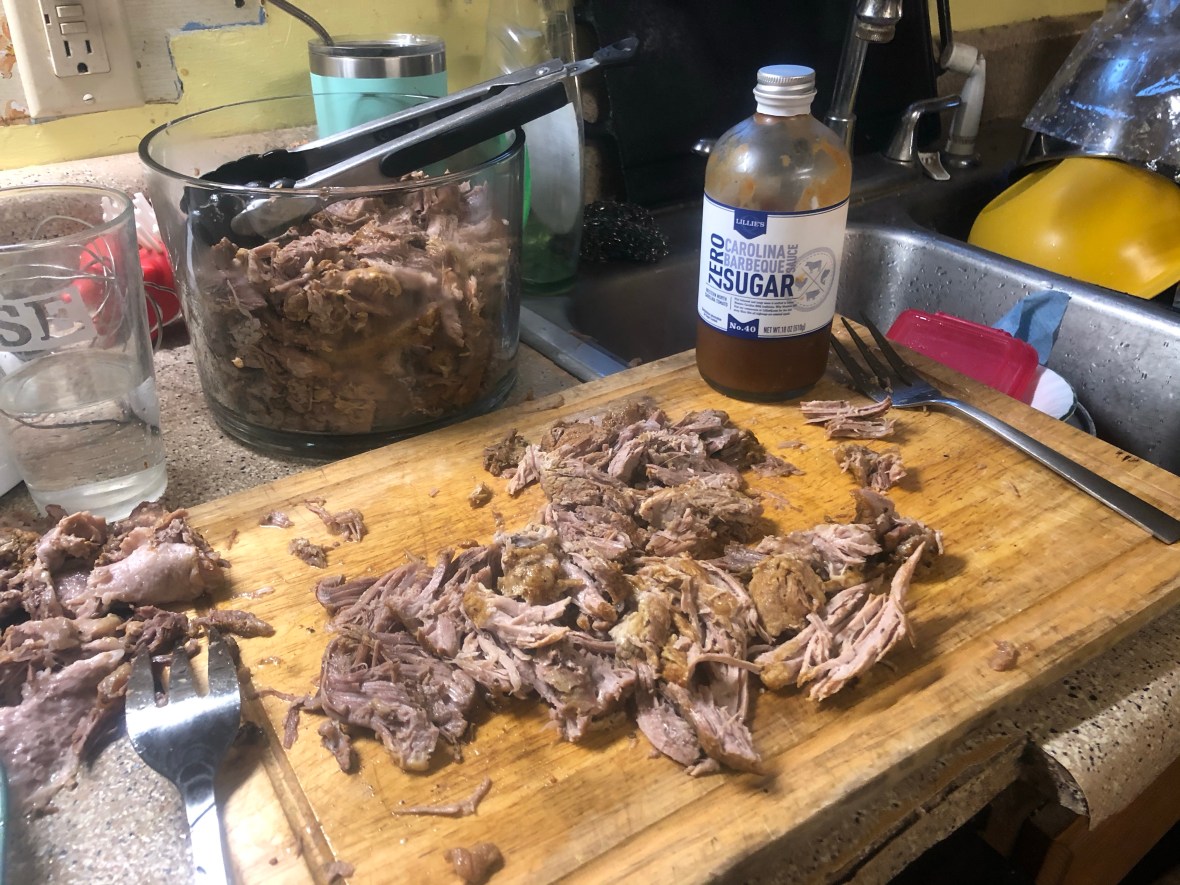
Pulled Pork and steamed green beans

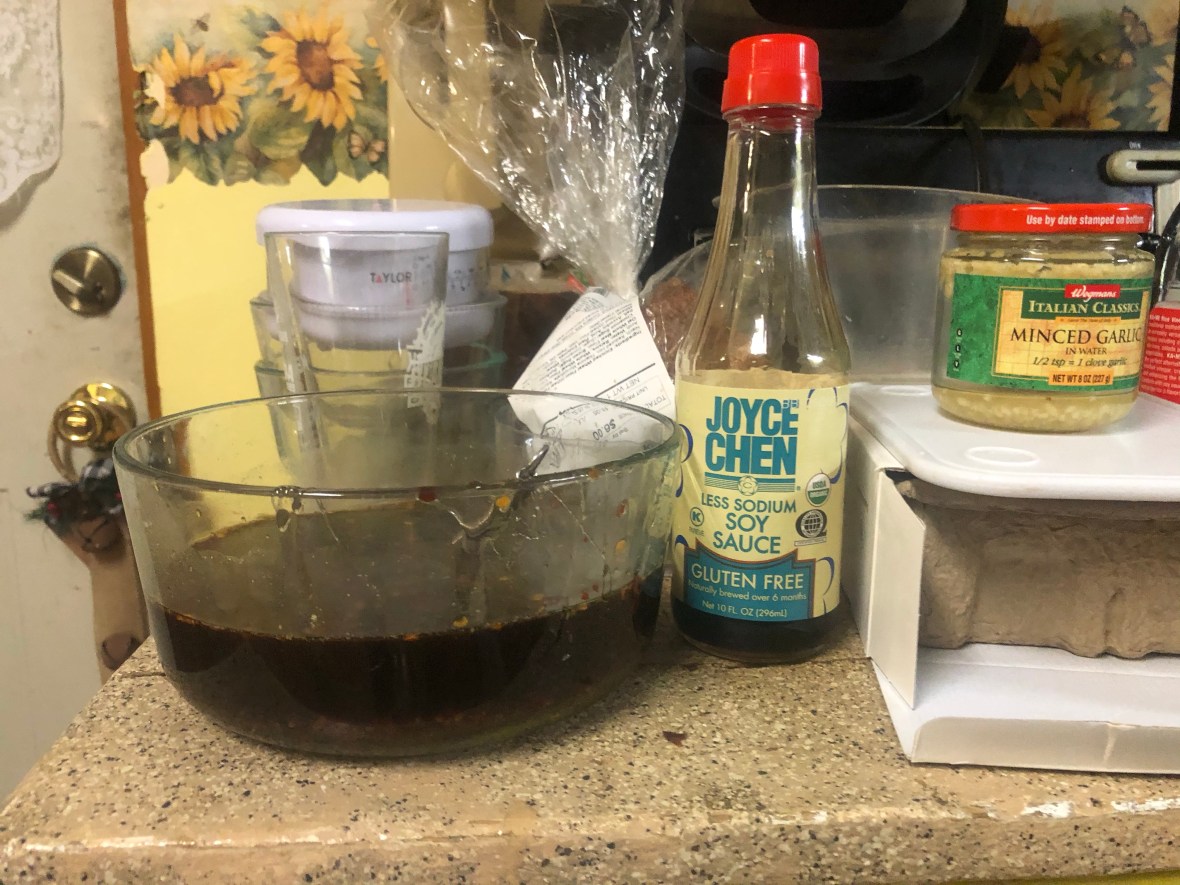
Honey Teriyaki Chicken and steamed brocolli – https://www.lecremedelacrumb.com/instant-pot-honey-teriyaki-chicken/

Breakfast will be the usual, oatmeal with protein powder and eggs and toast. I will be trying maca bowls this week.

This will be a taper week for me. Coming up this Saturday is my first event of the year, a 45 mile gravel(dirt country road) bike ride- https://roadappleroubaix.wordpress.com/

52 Weeks of Healthy Eating – Seasonal Affective Disorder

As we dive into the fourth week of February and America is gripped by a massive winter storm, I am noticing some of my clients and others around me are beginning to display symptoms of seasonal affective disorder or SAD. This week, I want to take a look at what this is and address some tactics you can use to address this troubling mental health phenomenon.

Seasonal affective disorder is a mood disorder characterized by depression that generally occurs the same time every year. This condition is often found with inhabitants of areas of world where there is less sunlight at certain times of the year. Symptoms can include depression, hopelessness, and social withdrawl, which are also symptoms of major depressive disorder (MDD). Treatments can include Vitamin D therapy, photolight therapy, talk therapy and medication.

As with any depression issue, we need to be thinking of serotonin production and managing our stress hormones. This year and last year, unlike years past, COVID – 19 is making things worse as we are unable to leave our homes, socialize and carry on with our “normal” routines. The hard reality though is COVID -19 is probably not going to go away, so we are going to have to continue to be proactive with our health and find creative ways to manage stress.

Here are some practical tips:
If you’re feeling low during winter months, eating portion-sized amounts of healthy, unrefined carbs such as oatmeal, sweet potatoes, and fruit can help boost your serotonin production when it is slipping and lift your mood without the risk of a sugar binge or crash that can sometimes be triggered in the absence of both sunlight and carbs in people dealing with SAD.

Getting outdoors is another option. While it is very cold, and at times quite unpleasant, layered properly, one can enjoy a whole host of outdoors activities during the winter months. In fact, as a lifelong outdoorsman, being immersed in the outdoors all year round has allowed me to be able to resonate the changing vibrations of the seasons. Observing the animals, weather patterns and the overall changing scenery, one can anticipate and even predict what is next making the long days less long and less foreboding.

Wildly popular, light lamps and light therapy are useful tools in managing symptoms. Simply moving your workspace to a window can also help if this option is available. I have worked in a windowless office the last 10 years. I know how it can get. Simple things though like stepping outside or even taking 10-15 minutes by the window and watching the snow fall, birds play or clouds drift can make all the difference.

Finally, Vitamin D is often used to combat SAD symptoms. Deficiency can only be detected with a blood test and often point clients to talk to their doctors in September to get a baseline measurement and then maybe again in January or February. We only get a small amount of Vitamin D in foods and the majority is produced when our bodies are exposed to sunlight.

This week’s Menu:

This week’s menu is going to focus on some comfort foods made a bit more healthy.

Breakfast always has an oatmeal somewhere in the week. When I make oatmeal, it is usually Bob’s Red Mill Steel Cut Oats. Of late, I make a batch and half for 1.5 people. I will add 2 tablespoons of butter at the beginning of the cooking process and then some Swerve brown sugar substitute, whey protein isolate and some dried cranberries for good measure. Usually this comes out to around 465 kC and a macro breakdown of 30% fat, 43% Carb and 27% Protein.

In the summer, I will use a brand known as Picky Bars which makes an instant oatmeal mix. I will add 1 cup of Kefir, a watery yogurt drink and this usually comes out to be around 448 kC with a bit higher carb profile at 56%, 24% fat and 20% protein.

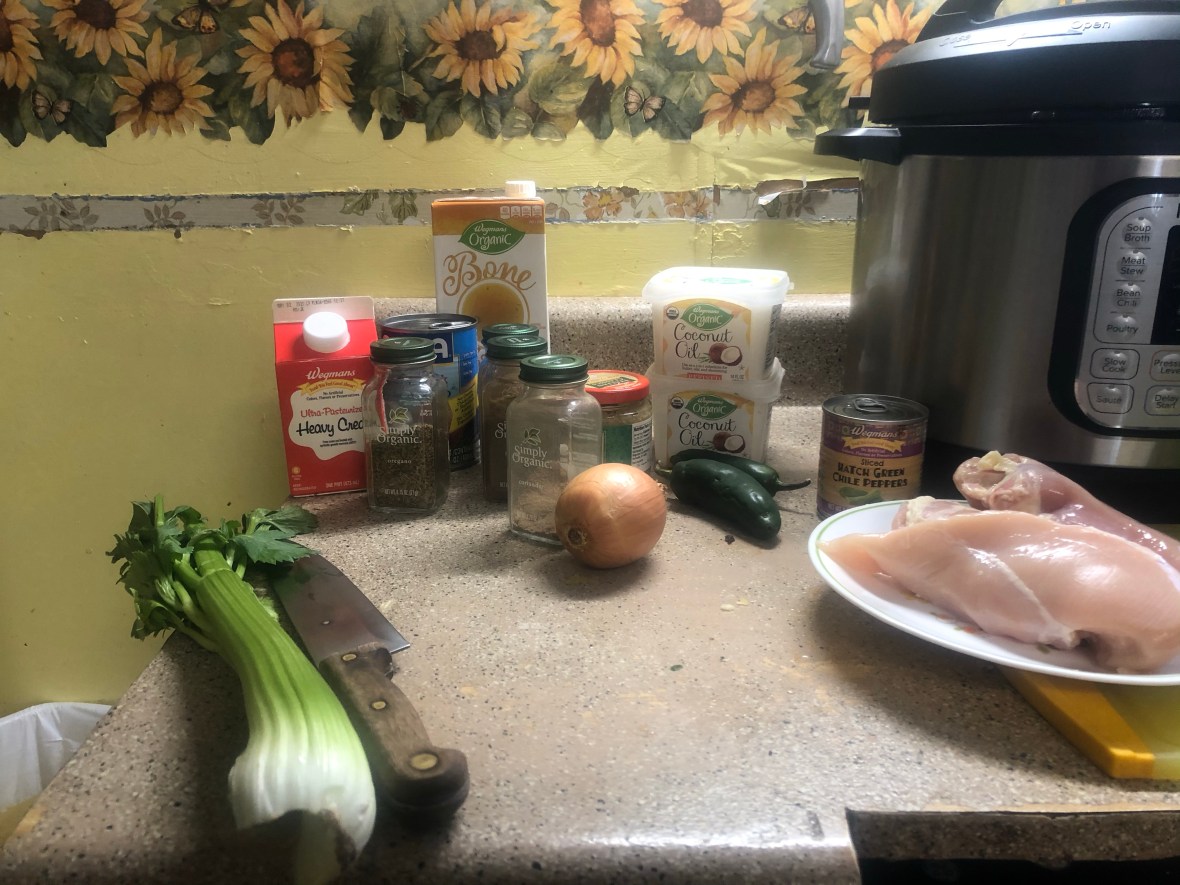
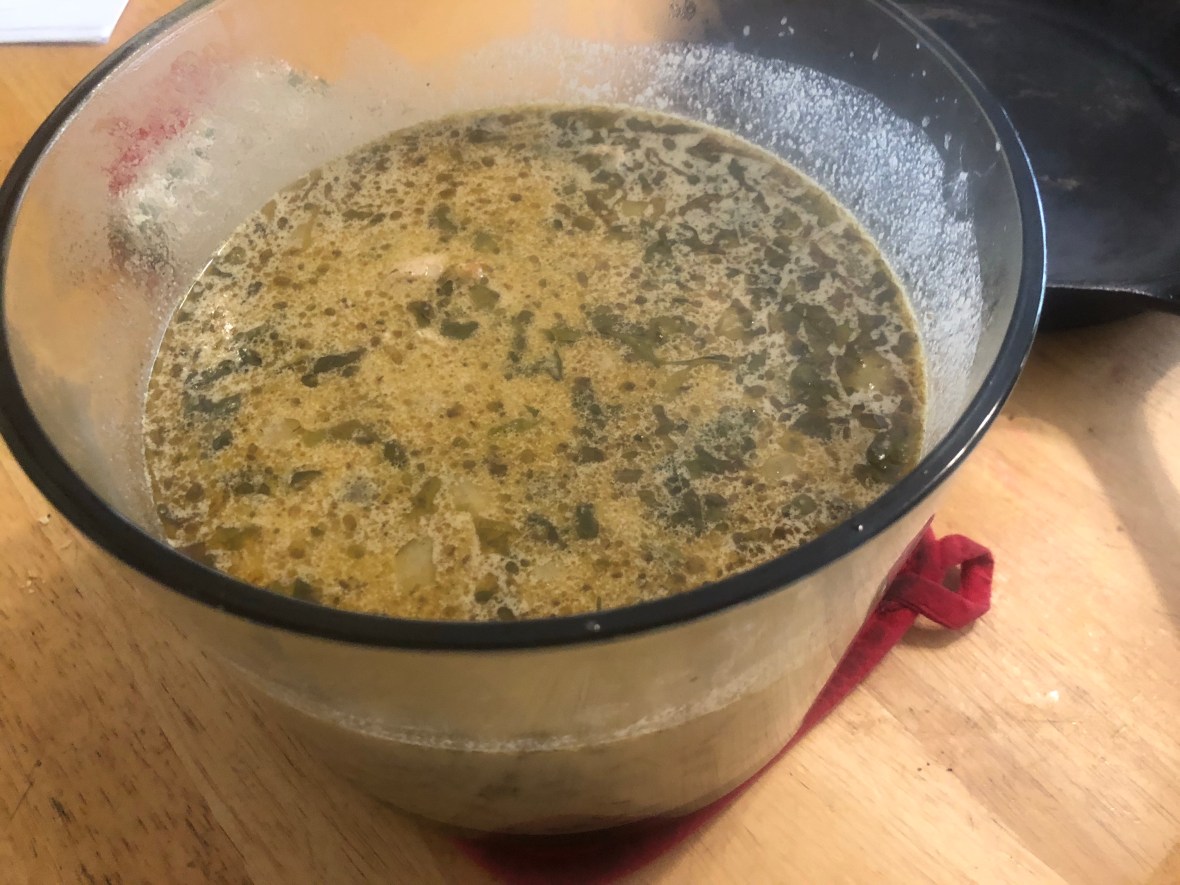
Meal 1 this week is a White Chicken Chili – https://whatgreatgrandmaate.com/paleo-white-chicken-chili/
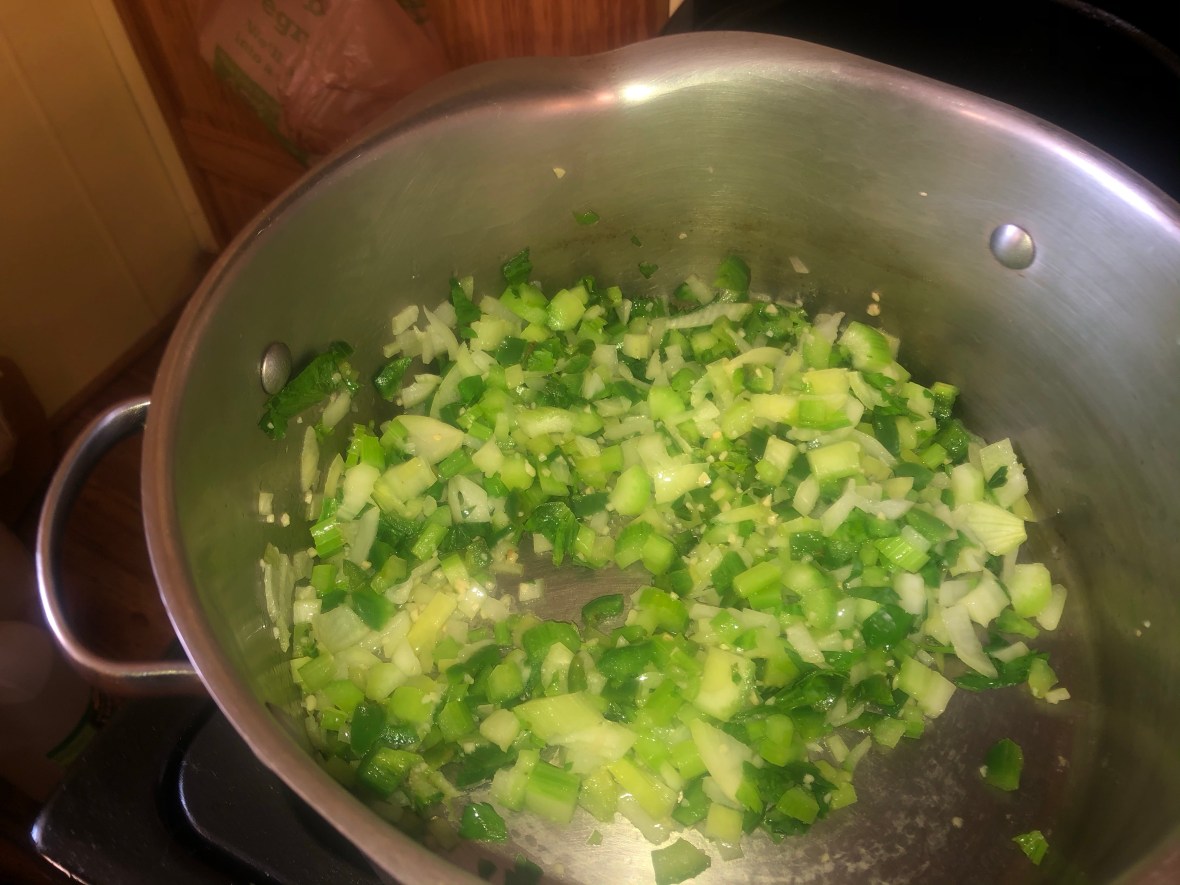
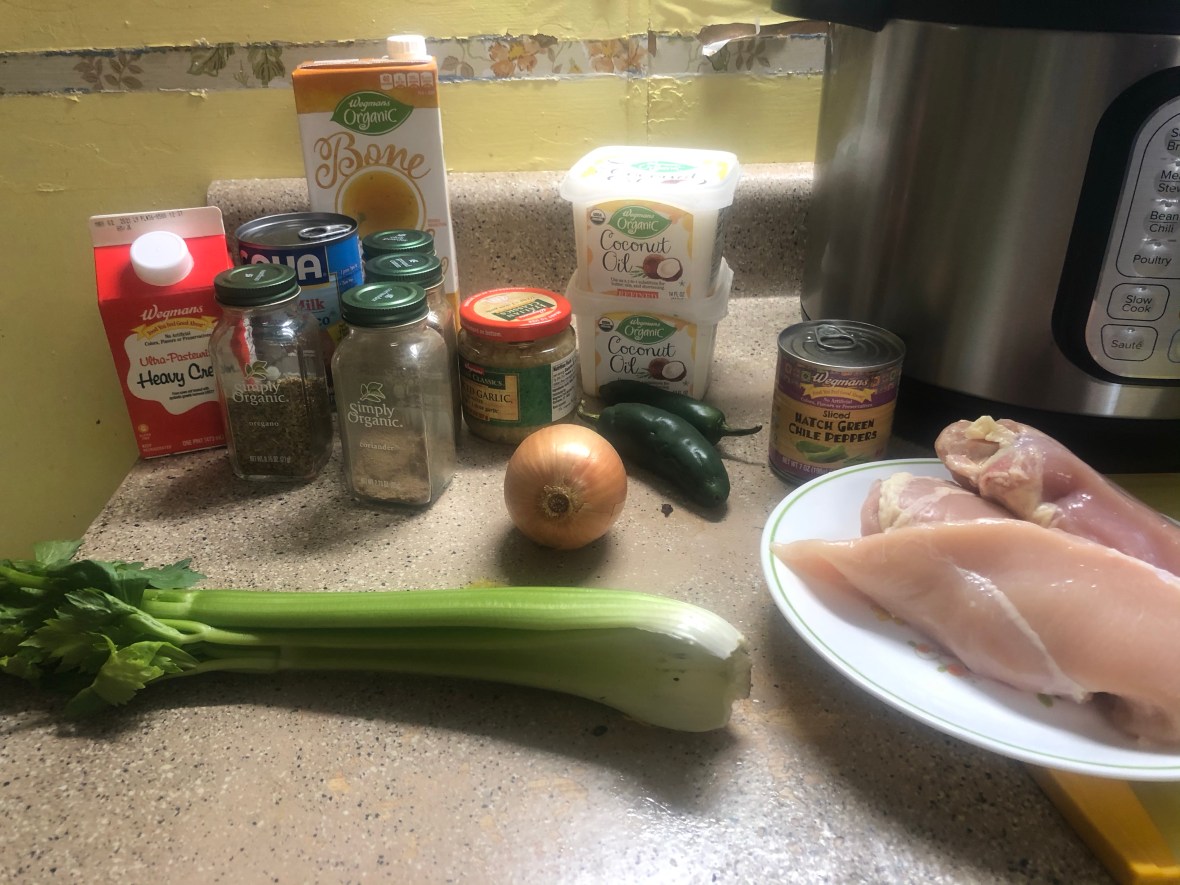
Meal 2 this week is a Bacon Chicken Ranch Casserole – https://grassfedsalsa.com/blog/aip-bacon-chicken-ranch-casserole-gf-df-w30/
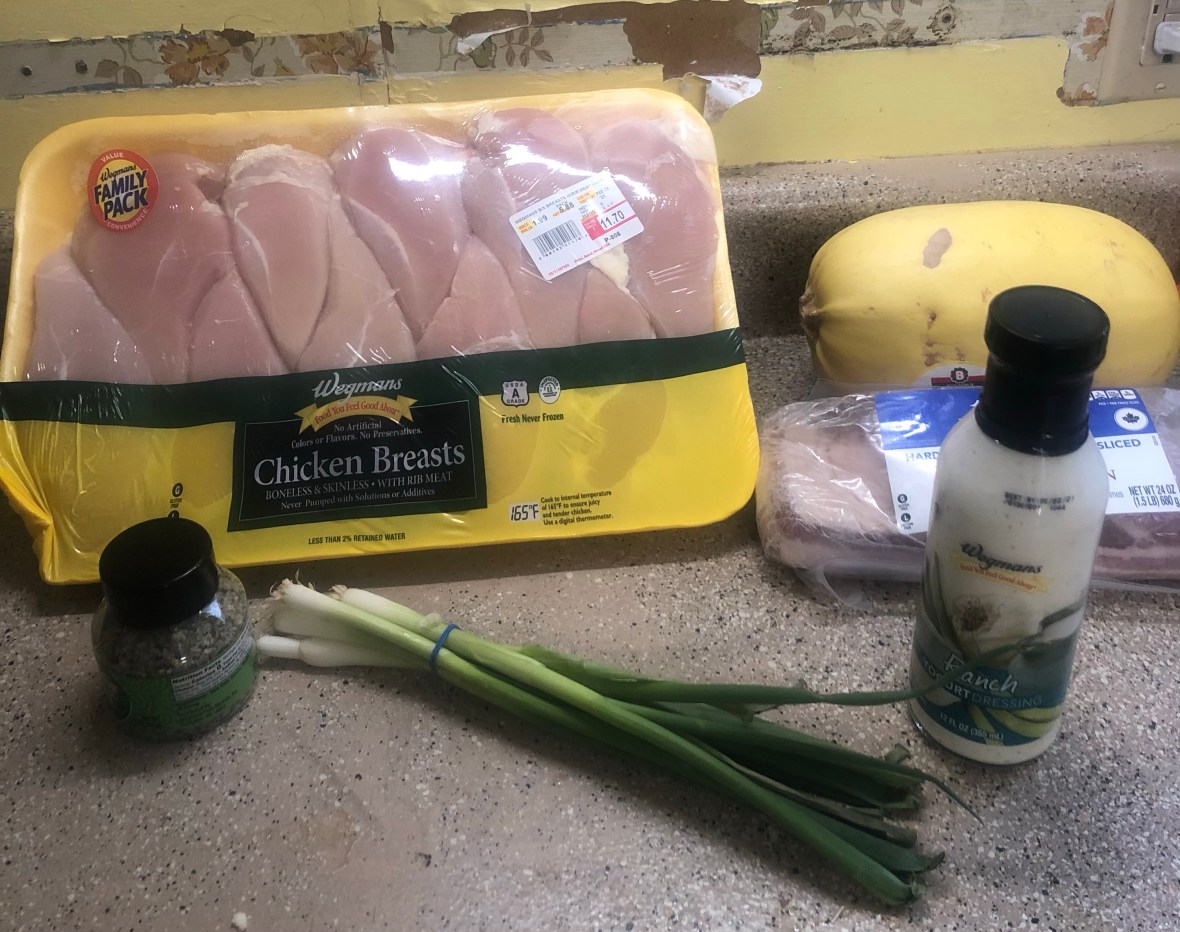
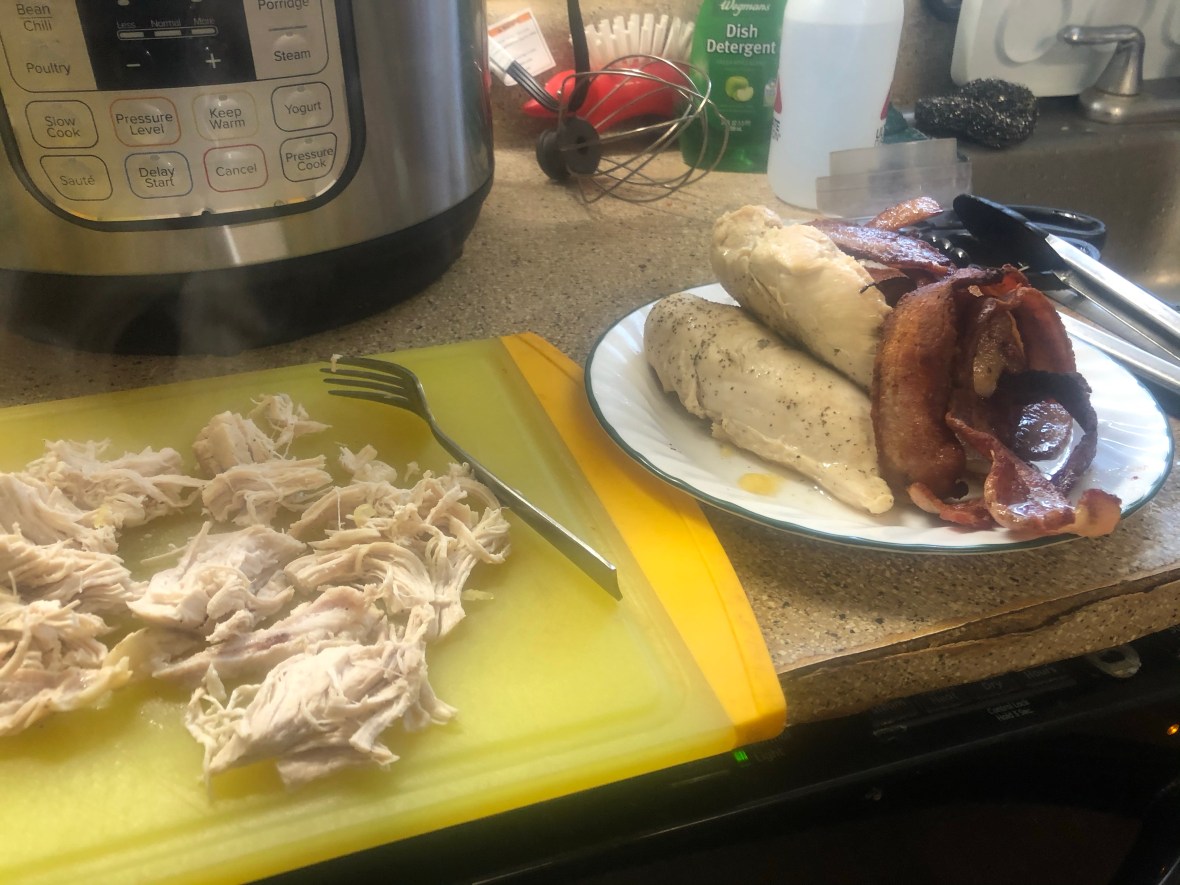
Since we are talking about Seasonal Affective Disorder, I want to discuss briefly snack options one can choose that will help improve Serotonin development. In my usual snack rotation are nuts and dark chocolate; oat bars of some kind of protein shake. Other snacks that help with Serontin production include:

Cacao(dark 80% and higher) chocolate

Pumpkin seeds

Sweet Potatoes (Think of an air fried sweet potato chip with some sea salt)

Spinach (Spinach can be blended into a smoothie)

Almonds (Best raw, unsalted)

Green Tea (actually Green, Black or Oolong all carry the same compounds, L- theanine, make a strong cup mid afternoon, no sugar)

Blueberries (great with a handful of almonds or walnuts)

52 Weeks of Healthy Eating – Words from the Heart

It is February and in honor of Valentines Day, I want to discuss the idea of eating organ meats. As with all the current diet rages these days, organ meats are starting to enjoy their time in the spotlight. Organ meats are full of nutrients and are often more nutrient dense than muscle meat. Organ meats are often rich in the B vitamins, iron and zinc. While I am not a fan of organ meats, I supplement every other day or so with a beef organ supplent that has desicated and freeze dried kidney, liver, heart, pancreas and spleen.

Heart is high in CoQ10 which is an antioxidantm which is 10 times more potent than vitamin E. Heart is also high in the heavy metal selenium, iron and zinc. Kidney also is high in selenium. Liver is the best source of vitamins and minerals. 4 ounces of liver can give you almost a weeks worth of vitamin A which is important for immune health and B12. There is more info out there about offal ingestion, but it all circles around to this central point, offal is high in metals, minerals and vitamins.

Some downsides are the presence of serious pathogens and over consumption of vitamins. Overall, offal is great for you. I still don’t like it though.

This week on the menu:

Breakfast will be the usual. Eggs and toast or oatmeal. Maybe Mueslli.

Meal 1:

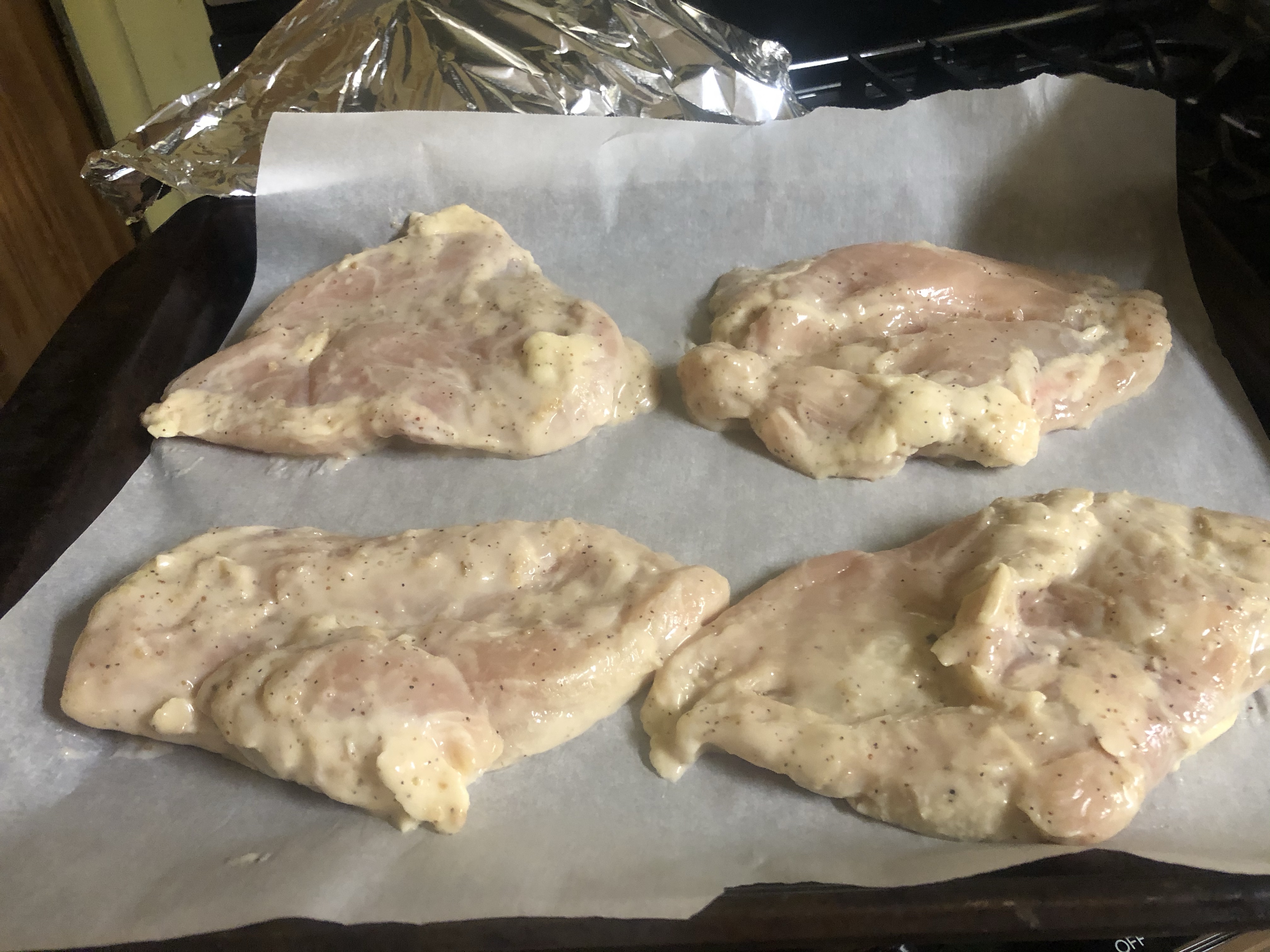
Greek Grilled Chicken Chopped Salad.

This salad will have grilled chicken, chopped cucumbers, chopped tomatoes, chopped pepperoncini, chopped kalmata olives and tzatziki sauce.

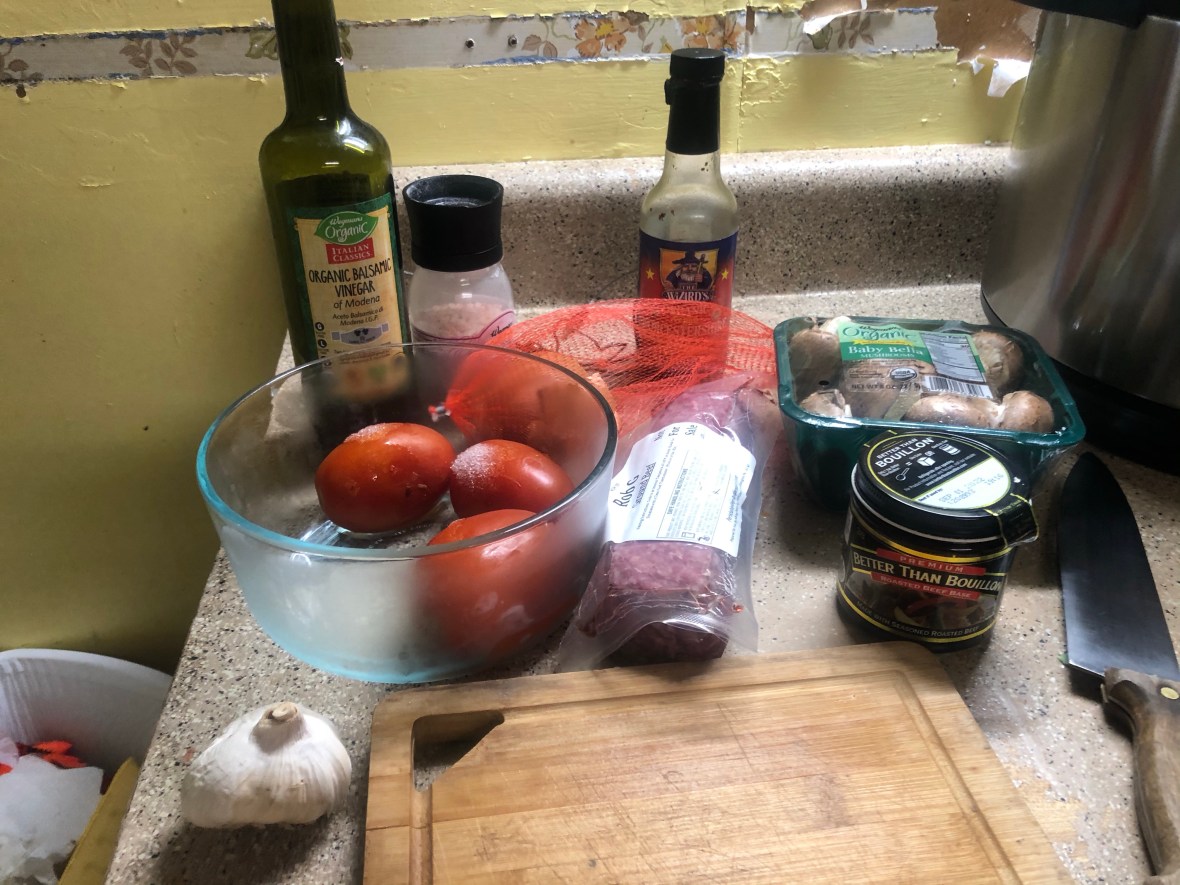
Meal 2: Easy Mushroom and Ground Beef Skillet – with red quinoa

https://momtomomnutrition.com/food-and-recipes/easy-mushroom-ground-beef-skillet/

Coffee with Jesus – Considering Right Relationships

1 Peter 3:8 – Be like minded, be sympathetic, love one another, be compassionate and humble.

I met with Jesus the other day for coffee at our usual coffee shop.  It is getting around the time of Valentines day and I recently did a presentation on managing relationships during stressful times. I had a verse in mind that I wanted to discuss with Jesus, something his buddy Peter may have written about and I wanted to unpack it. 
We exchanged our usual pleasantries, ordered our coffee and found our way to the sofas we usually sat at to discuss life. He asked about my upcoming presentation and if I was nervous.  I told him I was not, it was matter that I covered often with my clients.  He would ask me about the passage I wanted to discuss and would point out that his buddy Peter would have said a lot about being stressed out and this passage can tell us a lot about how to deal with stressful times and considering right relationships.  First off, Jesus noted that the words as I presented them point to a state of being, which is vastly different than a state of action. Be like minded, be sympathetic, be compassionate, be humble and just love. 
What is the state of being?  It is a state of avoiding “isness”, a state of centering one’s self in the present moment and letting go of shoulds. It is just a state of openeness and understanding. 
Jesus said to be then is to just bring oneself with no pretentions, no expectations, no ego. 
We finished our coffee, exchanged a hug and said goodbyes.

Closing Prayer,
Give us the courage to be Lord in a world that demands doing, 

52 Weeks of Healthy Eating – Week 5 – Keto Vegan?

This week, I want to move away from elements of nutrition and look at some of the notions around diets.  I will be the first but not the only who will tell you that you should not follow a diet plan.  Instead, follow priniciples of white paper research eating protocols that have proven efficacy for different needs and avoid the claimed hype around certain plans.  Common right now is keto and vegan, two plans which I have followed, one of which makes me incredibly miserable.  Both have abundant research behind them proving overall markers of improved health … with a caveat.

Ketogenic (Keto) Diet –

The Keto diet was introduced to the world in the 1920’s as a treatment for epilepsy.  With the invention of anti epileptic drugs, this diet would fall by the wayside in use after about 20 years from it’s inception.  It has regained popularity in the last 20 years with a variety of new names, most popularly the Atkins Diet, though this is not a strictly keto diet.  According to Wheless (2008), a precurssor to the early keto diet was dietatry fasting and was first recorded in 1911.  20 children and adults were treated for epilepsy by using a fasting protocol and the results showed a decrease in seizure activity during this trial.  It is to be noted that health and fitness was a major trend in the early part of the 20th century with all sorts of “cures” created.  Most notably and still around with us today is the notion of eating breakfast in the morning, and leading the charge were the doctors Kellogg and Post  who had their own health programs that of course promoted eating healthy.
The keto diet got it’s kick in 1921, when two pivotal observations were made. “Woodyatt noted that acetone and beta‐hydroxybutyric acid appear in a normal subject by starvation or a diet containing too low a proportion of carbohydrate and too high a proportion of fat. Concurrently, Dr. Wilder at the Mayo Clinic proposed that the benefits of fasting could be obtained if ketonemia was produced by other means. Wilder proposed that a ketogenic diet (KD) be tried in a series of patients with epilepsy”(Wheless, 2008). The diet would be a prescription for children with epilepsy seen in medical textbooks from 1941 to 1980.  Research would shift in 1938 when drugs for epilepsy were discovered.
The keto diet is also cited to be effective in treating diabetes.  In an article in the Journal of Nutrition from January of 2021, the writer, David Ludwig offers that keto diets appear to be more effective than low fat diets to treat diabetes and obesity (Ludwig, 2020). Using a ketogenic diet for diabetes is also about 90 years old and was originally cited to be useful to help children with Type 1 diabetes prolong life and control symptoms of Type 2 diabetes in adults.
The discovery of insulin in the 1920’s would like the use for epilepsy cause the dietary protocol to wane in popularity.  This would pave the way for those with diabetes to resume enjoying foods that previously would have caused increased symptomology.  Regardless of the technological advances of insulin, “the human toll and economic burden from diabetes complications continue to mount”(Ludwig, 2020).  Ludwig would also point to the rise in high carb/ low fat diets as a source of the growing obesity epidemic.  Ludwig goes on to say that some of the safety issues cited with a keto are not founded in the scientific research.  In summary, the keto diet has been shown over the last 100 years to be an effective tool for health.  The caveat though is not adopting it as a fad diet, but looking at the elements of what makes it effective, minimizing/eliminating processed carbs and eating whole/real foods.  Another element to all lifestyle changes is maintaining a regular program of moderate intensity exercise (45 minutes daily, min of an RPE of 6-7). Many of the sites I would peruse in preparation for this post really emphasized the “you can’t eat this” attitude.  This is an absolute recipe for failure.  Being restricted from foods teaches us not to listen to our bodies and be curious as what the craving means.  Eating should be enjoyable and one should gain life and energy from the food they eat.  There is no absolutes in adopting a lifestyle apart from what your doctor says you should and should not eat given a specific medical condition.


Vegan

Veganism is currently defined as a way of living that attempts to exclude all forms of animal exploitation and cruelty, be it from food, clothing, or any other purpose. Veganism is a lifestyle that excludes all animal products and attempts to limit the exploitation of animals as much as possible. Veganism also has a current cult following in society righ now and is from this writer’s perspective on par to the carnivore/keto craze.  Both are the polar opposites of each other.  For reasons I will discuss later in this section of the discussion, veganism does not work for me, though I have found the foods to be very nourishing and life giving. It is to be noted that a healthy vegan diet requires planning, reading labels and discipline.  One of my favorite athletes, Scott Jurek broke the fastest known time (FKT) for the North Bound (NOBO) attempt on the Appalachian Trail (AT) supported using a vegan diet (Completed in 2011 in 46 days 8 hours and 7 minutes, it has since been broken again.  Rich Roll, another vegan athlete I follow has also accomplished amazing athletic feats using a vegan diet.
The hard truth of vegan and vegetarian diets is that they are very good for your health, offering the ability to lower many markers of low health including high blood pressure, diabetes, cancers and obesity.  The two articles I reviewed for this post, Tuso, et al. and Le, et al.  provide comprehensive information regarding this style of eating.  With the advent of healthful eating practices dating back to the early 20th century and a bit before in the Americas, vegetarian or veganism can be seen here.  The Le article does look at the Adventists, a religious group known for their strict adherence to a vegetarian/ low meat diet.  While the Tuso article demonstrated the efficacy of a vegan/vegetarian diet, the Le article supported the findings by looking at a meta- analysis (a large review of scholarly articles), looking at 199 articles addressing some positive health aspect of following a vegan/vegetarian diet.  All show a lower risk for cardiometabolic outcomes and cancers.  Furthermore “vegan diets seem to provide some added protection against obesity, hypertension, type-2 diabetes; and cardiovascular mortality. In general, the protective effects of vegetarian diets are stronger in men than in women” (Le, et al. 2014.

My experiences.

Both diet protocols are awesome.  Keto or Paleo works best for me.  Vegan/ Vegetarian makes a mess of my GI and makes my ADHD symptoms worse.  I have consulted with several nutritionists on this and have been told that I am too sensitive to the things in beans that make your tummy upset.  This then disrupts essential nutrients getting to my brain to regulate my brain health in response to my ADHD, which more than likely is a serotonin thing. I did an attempt at vegan the summer of 2019 with my kids and had one of the worse summer seasons for running to date.  I ran this diet for about 6 months, plenty of time to adjust to the diet.  I would switch back to my keto/paleo in September and would smash my fall races.  This experience would mimic experiences I had in my young adulthood.  I was vegetarian for the better part of 4 years in my late 20’s through early 30’s and experienced debilitating ADHD symptoms that disrupted my first career and forced me to go on medication to get through a second master’s program. I would switch my diet at the time to a strictly Paleo and see overall improvements in body composition along with improvements in ADHD symptomology. The medicine would magnify my experiences.

I encourage anyone thinking of either diet protocol to talk to a dietician to examine which protocol would be right for you. 


This week’s menu:

Keeping it simple.  I am sick of left overs.  The 2021 training season starts February 1st, so more calories will be burned.  There will be two a days on Monday, Tuesday and Thursdays.  Weekend trainings will see running mileage ranging from 12-27 miles and bike miles in the range of 30-60 miles.  There are 8 events scheduled for 2021, 3 endurance runs and 5 endurance rides. 

Breakfast, the usual, oatmeal or eggs. 

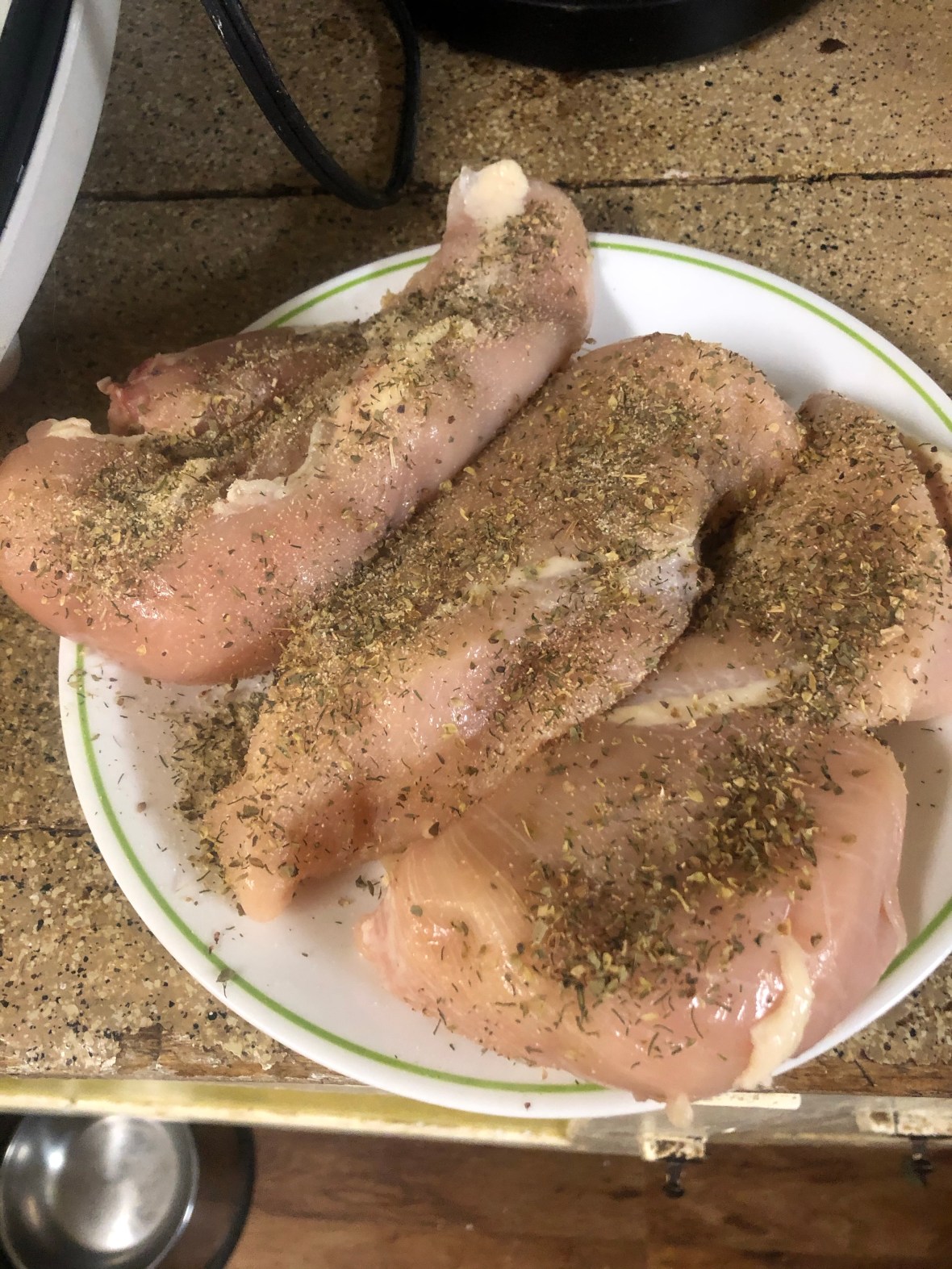
Lunch is a big salad with baked chicken

Dinner is a hash of left over ham, sweet potatoes and spinach. 

Snacks are nuts and chocolate, nuts and cheese, protein shakes and a few bars in between.


References:

Le, L. T., & Sabaté, J. (2014). Beyond meatless, the health effects of vegan diets: findings from the Adventist cohorts. Nutrients, 6(6), 2131–2147. https://doi.org/10.3390/nu6062131

Ludwig, DS. (2000)The Ketogenic Diet: Evidence for Optimism but High-Quality Research Needed, The Journal of Nutrition,  150(6)  1354–1359.
 https://doi.org/10.1093/jn/nxz308

Tuso, P. J., Ismail, M. H., Ha, B. P., & Bartolotto, C. (2013). Nutritional update for physicians: plant-based diets. The Permanente journal, 17(2), 61–66. https://doi.org/10.7812/TPP/12-085

Wheless JW. (2004) History and origin of the ketogenic diet. In Stafstrom CE, Rho JM (eds). Epilepsy and the ketogenic diet. Humana Press, Inc., Totowa , NJ , pp. 3150.

Wheless JW. History of the ketogenic diet. Epilepsia. 2008 Nov;49 Suppl 8:3-5. doi: 10.1111/j.1528-1167.2008.01821.x. PMID: 19049574.e


Wilder RM. (1921) The effect on ketonemia on the course of epilepsy. In Wheless JW. History of the ketogenic diet.